Diversion safes are legal to own in all 50 U.S. states for personal use. There are no federal laws restricting ownership of a diversion safe, and no state has enacted legislation making them illegal to possess in your home. They are everyday consumer products — not weapons, not surveillance devices — and the law generally treats them that way.
What exactly is a diversion safe, and why does the law treat it differently than a regular safe?
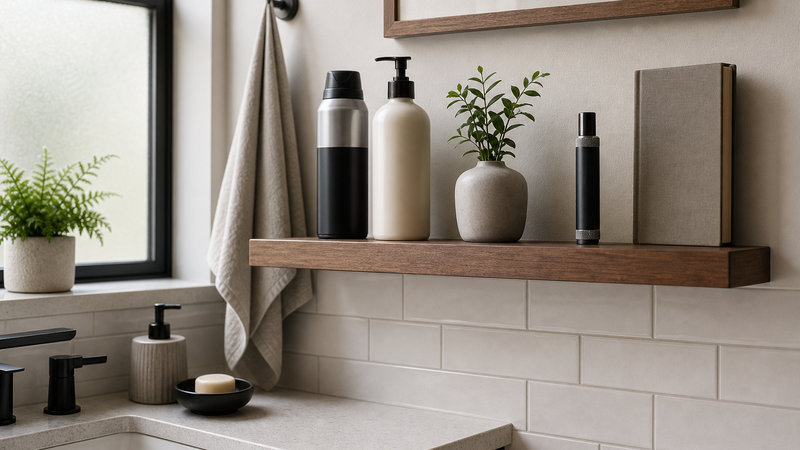
A diversion safe is a concealment device designed to look exactly like an ordinary household item — a can of hairspray, a jar of peanut butter, a book on a shelf, a bottle of cleaning solution. The exterior is a convincing replica. The interior has a hidden compartment where you store valuables, cash, prescription medications, or small personal defense items. If you want a fuller breakdown of how these work, I’ve written a plain-language explanation over at what a diversion safe actually is.
The reason the law treats a diversion safe differently than a gun safe or a locking cash box is simple: it isn’t a security mechanism in the traditional sense. It doesn’t lock down or restrict access to anything. Its protection comes entirely from the fact that most people — including most burglars — won’t recognize it for what it is. That’s camouflage, not containment. And camouflage is not regulated.
This distinction matters. A gun safe may have specific requirements in certain states or municipalities depending on what’s stored inside it. A diversion safe has no such requirements because, legally speaking, it’s just a container. The law has no interest in how creative your storage solution is.
Are there any situations where owning a diversion safe could become legally complicated?
The honest answer is: rarely, and usually only when the diversion safe becomes part of a larger legal situation that has nothing to do with the safe itself. The diversion safe doesn’t create legal exposure. What you put inside it might — depending on the item, the jurisdiction, and the circumstance.
Storing a legally owned firearm in a diversion safe isn’t inherently illegal, but if your state has specific requirements about how firearms must be secured — particularly in homes with children — a diversion safe may or may not satisfy that requirement. That’s a question for a local attorney familiar with your state’s storage laws, not something a product listing can answer for you.
Similarly, if you’re storing prescription medications in a diversion safe and there’s a reason law enforcement becomes involved with your home, the contents of the safe matter more than the safe itself. The safe is just the hiding spot. The law cares about what’s hidden.
One edge case worth noting: if you use a diversion safe to conceal something from someone in a legal proceeding — think divorce, estate disputes, bankruptcy — that becomes a legal problem quickly. That’s not a product issue. That’s a conduct issue. Use your diversion safe to protect your valuables from strangers, not to hide assets from courts or creditors.
Who benefits most from owning a diversion safe, and is it the right choice for you?
The people who get the most value from a diversion safe are people who think carefully about layered security. Not just one lock on one door, but a strategy. A diversion safe doesn’t replace a quality gun safe, a monitored alarm system, or a deadbolt. It works alongside them. It’s the option that handles the scenario where someone gets past your other defenses — and statistically, that scenario happens.
Most residential burglaries last between eight and twelve minutes. A burglar moving quickly through a home is looking for the obvious places first: dresser drawers, nightstands, medicine cabinets, closet shelves. A diversion safe sitting on the bathroom shelf next to actual toiletries doesn’t look like a target. That’s the point. I carry a full selection of diversion safes designed for the bathroom specifically because that’s one of the highest-traffic search areas in a burglary — and a well-placed decoy there pays for itself the first time it works.
Travelers are another group that benefits significantly. Hotels are not secure environments. Room safes are flimsy and well-known to staff. A diversion safe built for travel — something that looks like a toiletry item in your bag — keeps your passport, cash, and backup cards out of sight in a way a hotel safe simply cannot match. The best security tool is one that doesn’t announce itself as a security tool.
Seniors living alone, parents wanting to keep medications away from curious kids without locking them away entirely, professionals keeping emergency cash at the office — these are real people with real needs, and a diversion safe addresses all of them without requiring permits, registration, or any formal process at all.
Can you travel with a diversion safe across state lines or on a plane?
Crossing state lines with a diversion safe in your car is not a legal issue. The safe itself is unrestricted. If you’re keeping one in your vehicle — which is a smart move for protecting registration documents, spare cash, or small valuables you don’t want visible — you can find dedicated diversion safes made for the car that fit naturally into your center console or cup holder without drawing attention.
Flying with a diversion safe in checked luggage is generally fine. It’s a container. TSA screens for prohibited items, not for clever containers. If you’re flying with a diversion safe that contains something — again, it’s the contents that matter, not the safe. Travel empty or verify that what you’re carrying is permitted before you get to the airport. That’s just good preparation.
Carry-on is the same principle: nothing prohibited in the compartment, no issue with the safe itself.
How do you choose a diversion safe that’s actually worth owning?
This is where the discerning buyer separates from the person who grabs the cheapest option and wonders why it didn’t work. A poorly made diversion safe fails not because someone finds the hidden compartment — but because it doesn’t look convincing enough to be ignored in the first place. The decoy has to hold up to casual inspection.
Weight is one of the first tests. A can of hairspray that feels hollow when you pick it up has already failed its one job. Quality diversion safes are weighted to feel like the real product. The exterior finish, labeling, and construction need to pass a quick visual scan from someone who isn’t looking for a safe — because that’s exactly who you’re trying to fool.
Placement matters as much as construction. A book safe belongs on a bookshelf surrounded by actual books. A diversion safe designed for the fridge should sit among actual food items. A cleaning product safe belongs under the sink with other cleaning products. The best safe in the world loses its advantage the moment it’s placed somewhere it doesn’t belong.
I put together a detailed guide on matching the right diversion safe to your specific situation — it covers size, placement, and what to look for in construction: how to choose the right diversion safe for your home. If you’re serious about this, that’s the right next read.
If you have jewelry specifically in mind, there are diversion safes built to protect pieces individually — designed to sit in a bedroom or closet without looking out of place. The diversion safes for jewelry in our collection are built for exactly that purpose.
Does owning a diversion safe require any registration or disclosure?
No. There is no registration requirement for a diversion safe anywhere in the United States. You don’t report it to anyone, you don’t need a permit to buy one, and you don’t disclose it on any form. You buy it, you place it, and you use it. That’s the entire process.
This is worth stating clearly because people sometimes conflate diversion safes with hidden cameras or other security products that do have specific legal considerations depending on where and how they’re used. A diversion safe is purely a concealment container. It doesn’t record anything, transmit anything, or interact with anyone. It just sits there looking like something it isn’t. That requires no license, no registration, and no paperwork.
If you’re also exploring hidden cameras for home security and want to understand the legal landscape there, I’ve addressed that separately in a post about the legal considerations around nanny cams — the rules there are more nuanced and vary by state, which is a good illustration of why it’s worth checking when surveillance is involved.
Frequently Asked Questions About Diversion Safe Legality and Ownership
Are diversion safes legal in all 50 states?
Yes. Diversion safes are legal to own in every U.S. state. No state has enacted a law restricting the purchase or possession of a diversion safe for personal use. They are unregulated consumer products — standard containers with a concealment design — and no permit or registration is required to own one anywhere in the country.
Do you need a permit to buy a diversion safe?
No permit is needed to buy a diversion safe. You purchase it like any other household product. There are no background checks, waiting periods, age restrictions, or registration requirements. The safe itself is unrestricted. The only legal considerations that apply relate to what you choose to store inside it, depending on the item and your location.
Can a landlord prohibit a tenant from owning a diversion safe?
Landlords can place many restrictions in lease agreements, but prohibiting a tenant from owning a container — including a diversion safe — would be highly unusual and difficult to enforce. A diversion safe doesn’t alter the property, doesn’t create a nuisance, and poses no liability. If you have a specific lease concern, review your agreement or consult a local tenant attorney.
Can I keep a gun in a diversion safe legally?
In most states, yes — if the firearm itself is legally owned. However, some states have specific requirements for how firearms must be stored, particularly in homes with minors. A diversion safe may or may not satisfy those requirements depending on your state. Always check your state’s firearm storage laws or speak with a local attorney before using any container as your primary firearm storage.
Is a diversion safe considered deceptive or fraudulent?
No. Owning a product that looks like something else is not fraud or deception in any legal sense — not when it’s being used to protect your own belongings in your own space. The legal concept of fraud requires intent to deceive for financial or personal gain at someone else’s expense. Hiding your grandmother’s ring inside a fake peanut butter jar doesn’t meet that standard.
Can I travel internationally with a diversion safe?
Domestic travel within the U.S. — by car or air — presents no issue with the safe itself. For international travel, customs regulations vary by country. The safe is just a container, so it’s unlikely to be flagged, but what you put inside it may be subject to customs rules. Always declare regulated items and research destination-country rules before you travel with any valuables or controlled items.
Are diversion safes effective, or are they just a novelty product?
A well-made diversion safe placed correctly is a legitimate security layer — not a novelty. Burglars move fast and look for obvious targets. A realistic decoy in a logical location gets ignored. The key is construction quality and placement. A cheap, light, unconvincing product won’t protect anything. A realistic, well-weighted decoy in context does exactly what it’s designed to do.
Where can I find diversion safes worth buying?
HerGuarded carries diversion safes across several categories — bathroom, travel, car, fridge, and jewelry — chosen for realistic construction and practical design. If you want guidance on where to look beyond our store, I’ve also written about where to buy a diversion safe and what to look for before you commit to one.
Owning a diversion safe is one of the more quietly intelligent security decisions a person can make. It doesn’t advertise itself. It doesn’t require an installation appointment or a monitoring contract. It just sits in place, looking completely ordinary, protecting whatever you’ve decided is worth protecting. That kind of understated effectiveness is what distinguishes a layered security strategy from a reactive one.
At HerGuarded, I carry diversion safes because they work — not because they sound impressive. If you’re ready to look at specific options, browse the categories that fit your situation. Bathroom. Fridge. Travel. Car. Jewelry. Each one is built for a specific environment and a specific need. Take your time, pick the right one, and place it right. That’s the whole strategy.