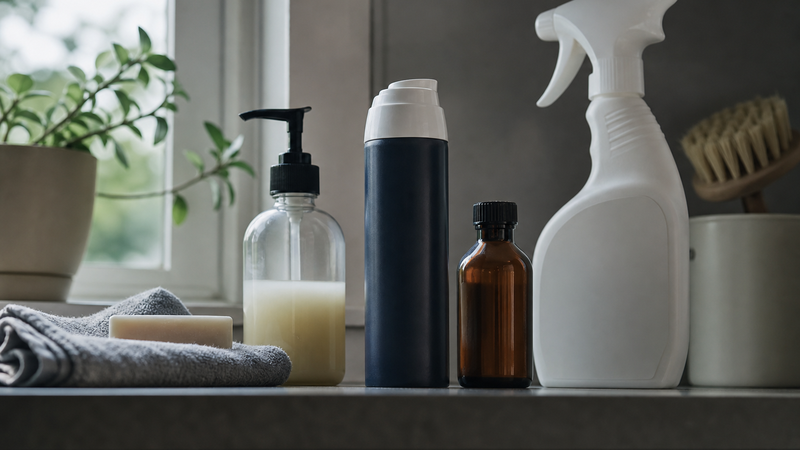
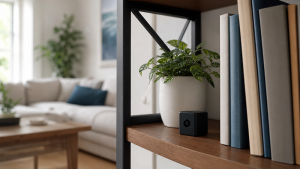
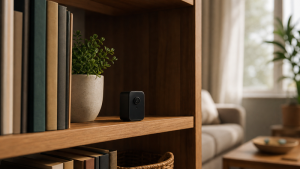
A diversion safe is an ordinary household object — a can of soup, a bottle of laundry detergent, a book on a shelf, a soap dispenser by the sink — that has been engineered with a hidden, weighted compartment inside. From the outside, it looks exactly like the real thing. Inside, it holds your cash, a spare key, jewelry, a passport, or whatever you need to keep out of the wrong hands. Most burglars move fast. They don’t inspect every item in a cabinet. That’s the entire point.
Most people have never heard of a diversion safe until they need one. That’s by design — and it’s also what makes them so effective. There’s something quietly compelling about the idea that the best hiding place isn’t a lock, a vault, or an alarm. It’s an object so ordinary that no one would ever think to question it. The psychology behind that is worth understanding before you buy one.
How does a diversion safe actually fool a burglar?
Burglars don’t operate the way most people imagine. The average home break-in lasts between eight and twelve minutes. The intruder is looking for things that are fast and obvious — jewelry boxes on dressers, cash in sock drawers, safes under beds. They are not methodically inspecting every can on a pantry shelf or every bottle under a bathroom sink. They’re moving, they’re anxious, and they’re looking for the expected.
A diversion safe exploits that pattern. It hides in plain sight among the objects that already belong in a room. A can of WD-40 on a garage shelf raises zero suspicion. A bottle of dish soap next to the kitchen faucet doesn’t warrant a second glance. When the object looks right, weighs right, and belongs in that space, it doesn’t register as a target. It registers as clutter.
The better-made diversion safes are weighted to feel like the actual product. That detail matters more than most people realize. If a burglar does happen to pick something up, a hollow-feeling container breaks the illusion immediately. A properly weighted safe maintains it even under a hand that’s checking. That’s the line between a novelty and a real security tool.
What can you store inside a diversion safe?
The compartment inside a diversion safe is smaller than you might expect, and that’s worth knowing before you buy. These are designed for flat, compact valuables — not for storing a laptop or a thick stack of binders. What fits well: cash in folded bills, a few pieces of jewelry, a spare house key or car key, a flash drive with important documents, a passport, a small handgun in some larger models, or a backup credit card.
Think of a diversion safe as your first layer of concealment, not your only layer of security. For someone who keeps a small amount of emergency cash at home, or wants to hide a spare key somewhere other than under the doormat, or needs a place to store a piece of jewelry they don’t wear every day — a diversion safe handles those jobs quietly and well.
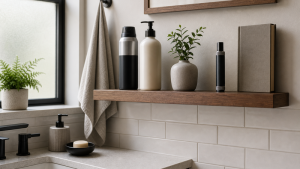
If you’re thinking about storing valuables specifically in a bathroom setting, take a look at diversion safes designed for bathroom use — they’re built to blend into that environment specifically, which matters when you’re thinking about what actually looks natural on a shelf next to a towel rack.
Are diversion safes only useful at home?
Home is the most common use, but it isn’t the only one. Hotels are an overlooked vulnerability for travelers. A hotel room safe is usually the first place someone looks. It’s a known location, it uses a generic lock, and hotel staff often have override access. Leaving cash or a passport in a hotel room safe isn’t nearly as secure as most travelers assume.
A travel-sized diversion safe — something that looks like a toiletry item or a personal care product — sits in your luggage or on the bathroom counter and draws no attention at all. If you travel frequently or stay in hotels for business, diversion safes built specifically for travel are worth looking at closely. They’re compact, designed for portability, and made to disappear into a travel kit.
Beyond travel, diversion safes make sense in offices, dorm rooms, and shared living spaces where you don’t have full control over who comes and goes. A college student with a roommate they don’t know well, a professional with a shared workspace, someone who has house guests regularly — in all of those situations, the value of something that simply doesn’t look like a safe is significant.
What kinds of diversion safes are available?
The range is wider than most people expect, and the best ones are surprisingly specific in how they’re built to fit their environment. Household cleaners and pantry items — canned goods, bottled beverages, condiment containers — are common because they’re everyday objects found in nearly every home. But the category goes further than that.
Garage and workshop environments have their own options. A lubricant can diversion safe sits on a garage shelf next to actual tools and supplies and raises no questions. In a bathroom, a soap dispenser diversion safe functions as a real dispenser while concealing a hidden compartment — it doesn’t just look the part, it plays it.
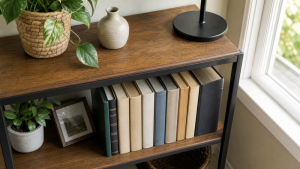
Books are another classic. A hollowed-out book spine on a bookshelf has worked as a hiding place for centuries, and modern versions of that concept are made with real covers, proper weight, and realistic page edges. Wall outlet safes, clock safes, and even electrical panel safes exist for those who want concealment built into the structure of a room itself.
The right diversion safe is the one that naturally belongs in a space you actually use. A garage product in a garage. A bathroom product in a bathroom. When the object fits the environment, it disappears. When it doesn’t, it stands out — and that defeats the purpose entirely.
How do diversion safes compare to traditional safes?
A traditional safe offers something a diversion safe doesn’t — resistance to direct attack. A heavy, bolted steel safe can withstand physical force. It’s the right tool when someone has time, knows where to look, and is willing to work to get in. For certain valuables — firearms, large amounts of cash, legal documents — a steel safe with a serious lock is appropriate.
A diversion safe works on a completely different principle. It doesn’t stop someone who already knows what they’re looking for. It stops someone from knowing what to look for in the first place. The two tools solve different problems, and the smartest approach often uses both — a real safe for items that warrant one, and a diversion safe to keep everyday valuables out of sight without drawing attention to the fact that you’re hiding anything at all.
Cost is also a meaningful difference. A quality diversion safe runs between fifteen and forty dollars in most cases. A quality steel safe runs several hundred. For the specific task of hiding small valuables from opportunistic theft, a diversion safe delivers real value at a fraction of the price.
If you’re still working out which type fits your situation, this breakdown of the most popular types of diversion safes walks through the options in plain terms and helps you match the right product to the right environment.
Are diversion safes legal to own and use?
Yes — diversion safes are legal to own in all fifty states. They are personal property concealment devices. There is nothing prohibited about hiding your valuables inside an object that looks like something else. People have been using hollowed-out books and false-bottom containers for centuries. Modern diversion safes are simply a refined version of that same idea.
If you have specific questions about regulations in your state or locality, check with a local attorney or your state’s relevant agency. I’m not in a position to give legal advice, and the rules around personal property and concealment can have nuances that vary by jurisdiction. That said, diversion safes as a category are straightforward consumer products with no general legal restrictions on ownership or use.
Frequently Asked Questions About Diversion Safes
What is a diversion safe used for?
A diversion safe is used to hide small valuables — cash, jewelry, spare keys, passports, flash drives — inside an object that looks like an ordinary household product. The goal is concealment through disguise rather than physical security. A burglar moving quickly through a home is unlikely to identify or investigate an item that looks like a can of soup or a bottle of cleaning spray.
Are diversion safes really effective against burglars?
They are effective against opportunistic theft, which accounts for the majority of home break-ins. Most burglars spend fewer than fifteen minutes in a home and focus on obvious targets. A diversion safe that blends into its environment will be overlooked in almost every case. It won’t stop a determined intruder who has prior knowledge of what to look for, which is why layered security still makes sense for high-value items.
Where is the best place to put a diversion safe?
The best place is wherever the disguise makes the most sense. A garage lubricant can belongs in a garage. A soap dispenser belongs in a bathroom or kitchen. A canned food product belongs in a pantry. Placing a diversion safe in an environment where that type of object would naturally be found is what makes it invisible. An object that looks out of place defeats the purpose of the disguise.
How much can you fit inside a diversion safe?
Most diversion safes hold a modest amount — folded bills, a few pieces of jewelry, a spare key, a flash drive, or a small card. The compartments are designed to be discreet, not spacious. If you need to store larger items, look for book safes or outlet safes, which typically offer more interior volume. Check the product dimensions before buying if you have something specific in mind.
Can I use a diversion safe when I travel?
Yes, and they work particularly well for travel. Hotel room safes are a known target and are not as secure as most guests assume. A toiletry-style or personal care diversion safe placed casually in your luggage or on a hotel bathroom counter draws no attention and keeps cash or a backup card out of sight. Look specifically for travel-sized diversion safes if portability matters.
Do diversion safes have locks?
Most diversion safes use a simple screw-off bottom or a hidden latch rather than a keyed or combination lock. The security comes from concealment, not mechanical resistance. If you need something that can withstand physical force or prying, a traditional combination or keyed safe is more appropriate. A diversion safe’s strength is that no one knows to attempt opening it in the first place.
What’s the difference between a diversion safe and a hidden safe?
A hidden safe is typically a traditional safe that is concealed — behind a painting, inside a wall, or under a floor. It still has a mechanical lock and is designed to resist physical attack once found. A diversion safe avoids discovery entirely by looking like an ordinary object. Both are concealment strategies, but they work differently and are suited to different situations and budgets.
Where can I buy a diversion safe?
You can find diversion safes through specialty personal safety retailers, which tend to carry a wider selection of realistic, well-made options than general retail stores. If you want to see what’s available by environment — bathroom, garage, kitchen, travel — this guide on where to buy a diversion safe walks through what to look for and what separates a good product from a cheap one.
The most effective security tools are the ones that work without anyone knowing they’re there. That’s the quiet logic behind every diversion safe — not a louder lock or a thicker wall, but an object so unremarkable that the question of what’s inside never gets asked. I built Herguarded around practical tools that give real people real options. A diversion safe might be the most understated one we carry, and depending on your situation, it might be exactly what belongs in your home.
If you’re ready to find the right fit, browse our guide to the best diversion safes for cash and jewelry — or explore by room and use case to find something that disappears right where you need it to.