The right diversion safe is the one that looks so unremarkable in your home that nobody — not a burglar, not a houseguest, not a curious kid — ever thinks twice about it. Choose based on three things: where in your home you need to hide valuables, what everyday objects already live in that space, and how much you need to store. Match those three factors and you’ll have a hiding spot that works because it disappears.
Most people shopping for a diversion safe are thinking about it the wrong way. They’re looking for the safest-looking safe. What they should be looking for is the most forgettable object in a room full of real things. That’s the whole idea behind diversion — and once you shift how you’re thinking about it, choosing the right one becomes surprisingly straightforward. Let me walk you through it.
What actually makes a diversion safe work — and what most people overlook?
The security in a diversion safe isn’t a lock. It isn’t steel walls or biometric sensors. It’s psychology. A burglar moving through a house is working fast — the average residential break-in lasts under ten minutes. They’re scanning for things that look valuable and skipping things that don’t. A diversion safe works because it registers in their brain as worthless.
What most people overlook is that a diversion safe only works if it fits its environment. Put a fake can of soup in a bedroom with no kitchen items nearby, and it sticks out. Put a realistic-looking soap dispenser diversion safe next to your actual soap dispenser in the bathroom, and it disappears. Context is everything. The hiding isn’t in the object — it’s in how well the object belongs where you put it.
That’s the insight most product descriptions skip. They tell you a safe looks realistic. They don’t tell you that realism only matters if the item makes sense where it’s sitting. When you shop for a diversion safe, you’re not just picking a product — you’re staging a scene.
How do I choose a diversion safe based on the room I want to protect?
Start with the room, not the product. Each room in your home has a natural vocabulary of objects — things that belong there and things that would look strange. Your diversion safe needs to speak that room’s language fluently.
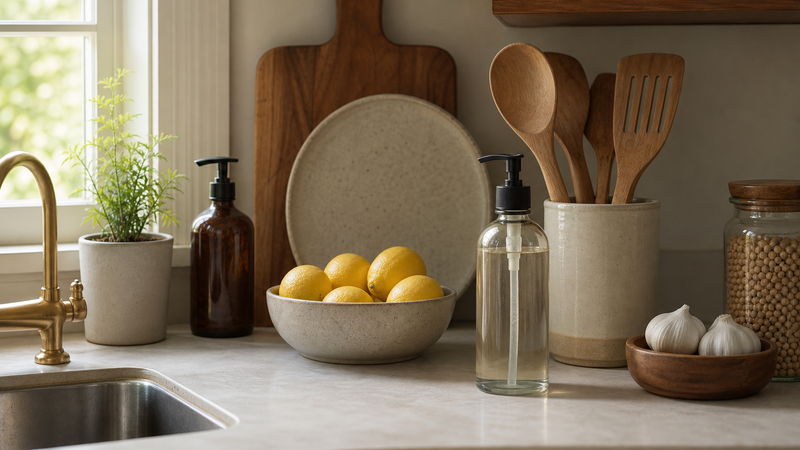
Kitchen: Canned goods, cleaning products, dry goods. A peanut butter safe sitting on a pantry shelf next to actual peanut butter is about as invisible as a hiding spot gets. If you’ve got kids in the house, the kitchen pantry is also a space where they’re supervised — which adds another layer of practical sense.
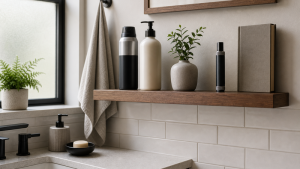
Bathroom: This room is often overlooked by homeowners as a storage location, which makes it underrated as a hiding spot. A soap dispenser or personal care product fits right in. Burglars typically spend less time in bathrooms than in bedrooms, master closets, and offices. That works in your favor.
Garage: Garages are cluttered by design. A lubricant diversion safe for the garage sitting on a shelf with actual motor oil, spray paint, and tools is nearly impossible to identify as a safe. If you store tools, cash for contractors, or small valuables in the garage, this is worth considering seriously.
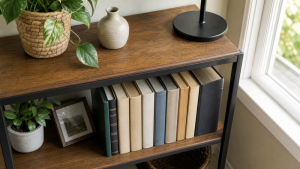
Bedroom and office: These are the rooms burglars target first because they know people keep valuables there. That’s exactly why a standard diversion safe in a bedroom needs to be chosen carefully — it has to compete with the expectation that valuables are present. A book safe on a full bookshelf works. A single fake book on an empty nightstand does not.
What size diversion safe do I actually need?
This is the question people skip, and then they’re disappointed when their items don’t fit. Diversion safes are compact by design — their size is determined by the product they’re imitating. That’s a feature, not a flaw, but it means you need to be realistic about what you’re storing.
Most diversion safes hold small items well: folded cash, a spare credit card, a USB drive, a piece of jewelry, a small firearm magazine, keys, or a passport. They are not designed to hold stacks of documents, bulky electronics, or multiple handguns. If you’re storing a few hundred dollars in cash and some jewelry, a standard diversion safe is a solid fit. If you need to store more, consider using multiple diversion safes in different locations — one in the kitchen, one in the garage — rather than trying to find one large enough to hold everything.
If jewelry is your primary concern, look at options specifically sized and designed for it. I cover that in more detail on the diversion safe for jewelry page.
How do I know if a diversion safe looks realistic enough to fool someone?
Weight is the detail that separates a convincing diversion safe from one that gives itself away immediately. Real canned goods, real cleaning products, and real food containers have weight to them. A hollow-feeling product that’s obviously light the moment you pick it up fails the most basic test — and burglars do pick things up.
Good diversion safes are weighted to feel like the real product. When you’re evaluating one, that’s the first thing to check. The second is label quality. A label that looks slightly off, faded wrong, or printed on cheap paper breaks the illusion. The third is seam and construction quality — the product needs to look like it came off a store shelf, not like it came out of a craft project.
Beyond the object itself, placement does most of the work. A good diversion safe surrounded by real versions of similar products becomes virtually undetectable. I’d also recommend keeping it out of reach of young children, not because it looks like a safe, but because products like cleaning supplies and food containers shouldn’t be accessible to them regardless.
Should I use more than one diversion safe?
Yes — and this is where the strategy gets interesting. A single diversion safe protects one location. Multiple diversion safes across the house create a distributed storage system where no single discovery compromises everything you’re protecting. Spread your valuables: a small amount of emergency cash in the kitchen, your jewelry in the bathroom, a backup document in the garage.
This approach also adds a layer of psychological misdirection. If a burglar finds one item, they typically assume they’ve found the hiding spot and move on. They’re not expecting multiple caches. That’s the kind of layered thinking that turns a simple product into a real security strategy.
If you’re new to diversion safes and want to understand the broader category before you buy, the post on what a diversion safe is is a good starting point. And if you’re trying to decide between specific options, the guide on the best diversion safe for cash and jewelry gets into the specifics.
Can a diversion safe replace a real safe?
No — and I’ll be straight with you about that. A diversion safe is a concealment tool, not a secure container. It has no meaningful resistance to forced entry. If someone finds it and knows what it is, they open it in seconds. Its protection comes entirely from not being found.
For firearms, legal documents, hard drives with sensitive data, or large amounts of cash, a quality locked safe — a real one with solid steel construction and a reliable locking mechanism — is what you need. A diversion safe works best as a complement to that: a secondary hiding spot for everyday valuables that you want accessible quickly, without the combination or key retrieval that a main safe requires.
Think of it this way. A real safe protects against determined access. A diversion safe protects against casual discovery. Both have their role. Neither fully replaces the other.
Frequently Asked Questions About Choosing a Diversion Safe for Your Home
What is the most important factor in choosing a diversion safe?
Placement context matters more than the product itself. The best diversion safe is the one that blends naturally into the room where you’re placing it. A cleaning product safe belongs in a garage or utility room. A food container safe belongs in a kitchen pantry. When the item fits its surroundings, it becomes invisible — and invisible is the whole point.
How much can I store in a typical diversion safe?
Most diversion safes hold small valuables: folded cash, a credit or debit card, a USB drive, keys, small pieces of jewelry, or a passport. They are not designed for bulky items or large quantities of anything. If you need more storage, use multiple diversion safes in different locations rather than looking for one oversized option.
Are diversion safes obvious to burglars who know what they are?
A burglar who is specifically familiar with diversion safes and searching deliberately might identify one. Most residential burglars are not operating that way — they’re moving fast and skipping anything that doesn’t immediately read as valuable. Surrounding your diversion safe with real versions of similar products and choosing a high-quality, realistic-looking option reduces risk significantly.
Where should I not put a diversion safe?
Avoid placing a diversion safe where the item wouldn’t naturally exist. A soup can in a home office looks strange. A cleaning product on a bedroom dresser stands out. Also avoid putting them where curious children can reach them, especially products that imitate food or beverages. The goal is invisibility — if the item raises any question at all, it’s in the wrong place.
Can kids accidentally find a diversion safe?
Yes, which is why placement matters for child safety too. Avoid putting diversion safes that look like food or beverages at a child’s level or in locations they access regularly. High shelves, the garage, or adult bathrooms are better choices. A diversion safe hiding cash from a burglar should not be accessible to a toddler who might try to eat what it imitates.
How many diversion safes should I have in my home?
There is no fixed number, but most people benefit from two to three placed in different areas of the home. This distributes your valuables so that no single discovery compromises everything. A common setup: one in the kitchen or pantry, one in the bathroom, one in the garage. Each room gets its own context-appropriate product.
Do diversion safes come in different sizes?
Yes, though size is limited by the product being imitated. A peanut butter jar holds more than a soap bottle. A large cleaning product holds more than a small shaving cream can. Know what you plan to store before you buy — measure your items if necessary — so you’re not surprised by the interior space when it arrives.
Is a diversion safe a good gift for someone who lives alone?
It can be a very practical and thoughtful gift, especially for a college student, a senior living independently, or someone who has recently moved into a new place. Pair it with a brief explanation of where and how to use it — context is what makes it effective. A diversion safe without placement guidance is just a prop. With it, it’s a real layer of home security.