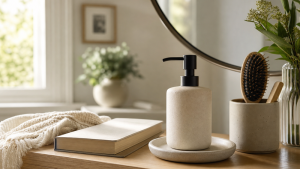
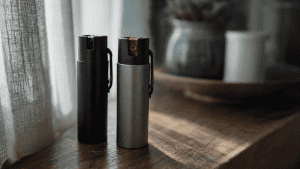
The most realistic looking diversion safes are the ones modeled after objects a thief would never bother to take — canned food, cleaning products, books, hair care bottles, and common household containers. The best ones are weighted, feel authentic in the hand, and match the exact dimensions of the real products they mimic. A thief moving fast through your home will skip right past them.
I built Herguarded around one idea: preparation is responsibility. A diversion safe fits that idea exactly. It doesn’t need batteries. It doesn’t need a signal. It just needs to look like something no one wants. And if you pick the right one and put it in the right place, it works while you’re not even home. That’s the kind of protection I like — quiet, reliable, and always on duty.
What makes a diversion safe look completely realistic?
Realistic diversion safes share a few specific characteristics. First, the label. It needs to be an actual licensed reproduction — not a close knockoff or a blurry imitation. The product name, the colors, the font, the UPC code — all of it needs to match what’s on a real store shelf. A thief who’s been in a hundred homes knows what a can of soup looks like. A bad label is a dead giveaway.
Second, the weight. A hollow can feels wrong the moment you pick it up. Quality diversion safes are weighted to feel consistent with the real product. A can of vegetables has a specific heft. A shampoo bottle has some mass to it. A safe that’s too light will get noticed, even if the label is perfect.
Third, the material and finish. Thin plastic that flexes when you squeeze it isn’t convincing. Look for safes made from sturdy materials with the right surface texture — matte where the real product is matte, glossy where it’s glossy. Run your hand across it and it should feel like the real thing.
Fourth, size accuracy. If a can of chicken broth is a specific height and diameter, your diversion safe should match those dimensions exactly. An oversized or undersized version breaks the illusion immediately when placed next to real products of the same type.
Which types of diversion safes are the hardest for a thief to identify?
Pantry items are among the hardest to spot because the environment helps. Tucked on a shelf with real cans and bottles around it, a diversion safe modeled after a canned good or a dry goods container disappears completely. Nobody — not even a deliberate searcher — is going to open every can on a shelf. They’re looking for cash, jewelry, and electronics. They move fast. Pantry items don’t register as targets.
Bathroom products are equally effective. A diversion safe styled after a hair care bottle, a shaving cream can, or a cleaning product placed under the sink or on a shelf in the bathroom is practically invisible. Most burglars avoid bathrooms because the layout limits their exit options and there’s rarely anything worth taking. That actually makes bathroom diversion safes a smart choice — check out the options available in diversion safes for the bathroom if you want to keep valuables right where you get ready each morning.
Book safes work well on a bookshelf, but only if they’re surrounded by real books. A single book sitting on an otherwise bare shelf stands out. Put it in a row of real books on a real shelf and it vanishes. The same logic applies to every type — placement is as important as the disguise itself.
Fridge items are highly effective because the refrigerator is one of the last places a thief searches. A diversion safe modeled after a juice can, a mayonnaise jar, or a condiment container tucked in the back of the fridge is genuinely difficult to locate. Diversion safes designed for the fridge are made to withstand the cold and look right at home between your leftovers and condiments.
Where should you place a diversion safe so it stays hidden?
The rule is simple: place it where the real version would naturally be found. A canned goods safe goes on the pantry shelf with other canned goods. A cleaning bottle goes under the sink or in the utility closet. A book safe goes on the bookshelf. A fridge container goes in the refrigerator. The environment sells the disguise.
Avoid placing a diversion safe in a location that makes no sense for the product type. A shampoo bottle in the living room raises questions. A soup can on a bedroom dresser is odd. Context is everything. A thief scans fast and reads the environment. When the object fits the environment, it stops being visible.
Keep the area around your diversion safe looking lived-in. If you have one can of corn sitting alone on an empty pantry shelf, it looks staged. Surround it with real products. Let it belong to the scene. The more natural the setup, the more reliable the protection.
Also, don’t tell people about it. That sounds obvious, but it’s worth saying. Diversion safes are not conversation pieces. The fewer people who know where yours is and what it looks like, the better it works. That goes for social media posts, visitors, and even people you trust. The security is in the secret.
What should you store in a diversion safe — and what shouldn’t go in one?
Diversion safes are best for small, high-value items you need accessible but out of obvious sight. Spare cash. A backup credit card. Jewelry you wear regularly. A USB drive with important documents. A spare key. A secondary phone. These are things you may need to get to without a lot of ceremony, and things a thief would specifically look for in obvious places like dresser drawers and jewelry boxes.
What shouldn’t go in one? Anything that needs to be fireproof or waterproof. A diversion safe is not a vault. It’s not built to survive a house fire or a flood. It doesn’t have a reinforced lock. Its entire security model is concealment, not resistance. Don’t store irreplaceable documents — get a fireproof lockbox or an actual safe for those. Use the diversion safe for what it’s designed to do: make your valuables invisible to a thief who’s looking for the obvious targets.
For travel, the same thinking applies. A travel-specific diversion safe — something compact that fits in a suitcase or a hotel room shelf — is a smart layer of protection in places you can’t fully control. Take a look at what’s available in diversion safes designed for travel if you spend time on the road or in hotels.
How do you choose the right diversion safe for your home?
Start by walking through your home the way a thief would. Where do you keep valuables right now? A dresser? A nightstand? A closet shelf? Those are the first places that get searched. Now ask yourself what category of product makes sense in each room. Kitchen and pantry — canned goods and dry goods containers. Bathroom — personal care products. Living room — books. Garage — cleaning or automotive products.
Match the safe to the room before you match it to your style preference. The best-looking diversion safe in the world doesn’t help if it’s placed somewhere it doesn’t belong.
Next, consider what you’re storing. A can of corn has limited internal space. If you need to store a stack of bills and a few cards, verify the internal dimensions before you buy. Diversion safe manufacturers typically list the interior cavity size. Pay attention to it. Don’t find out the hard way that your item doesn’t fit.
Finally, buy from a source that carries quality products with accurate labels and proper weight. If you’re ready to browse options or compare styles, finding the right place to buy a diversion safe matters as much as the product itself. A quality safe from a reliable source will look right, feel right, and do its job for years.
Frequently Asked Questions About Realistic Diversion Safes
What is the most convincing type of diversion safe?
Pantry and refrigerator diversion safes tend to be the most convincing because they blend into environments that already contain multiple similar objects. A single canned good diversion safe placed among a dozen real cans on a pantry shelf is nearly impossible to identify without picking up every single can. The surrounding environment reinforces the disguise completely.
Can a thief tell the difference between a real product and a diversion safe?
A quality diversion safe with an accurate label, correct weight, and proper size is very difficult to identify by sight alone. A thief moving quickly through a home is looking for obvious targets — not inspecting every item on a shelf. Where safes get identified is when they are placed in the wrong environment, stored alone without similar items nearby, or when the weight feels noticeably off.
How much can a diversion safe hold?
It depends entirely on the model and the product type it mimics. A large cleaning bottle safe may hold several hundred dollars in bills, a few cards, and small jewelry pieces. A small canned good safe may hold only folded bills and a card or two. Always check the interior cavity dimensions listed in the product description before you buy, and measure what you need to store first.
Are diversion safes legal to own?
Yes, diversion safes are legal to own and use in the United States. They are not weapons and carry no special regulatory requirements. They are simply concealment containers. That said, always check your local laws for any relevant regulations, and make sure any stored item inside — such as medications or cash — complies with applicable laws on its own.
Should I tell anyone where my diversion safe is?
Only tell people who absolutely need to know — and keep that number as small as possible. The security of a diversion safe depends entirely on it being unknown. Even well-meaning people can mention it in conversation without thinking about the consequences. Treat the location of your diversion safe the same way you’d treat a PIN number. The secret is the security.
Can I use a diversion safe in a hotel room?
Yes. A compact diversion safe designed for travel works well in a hotel room. Place it on a bathroom shelf or in a dresser drawer among clothing and other items. Hotel housekeeping and most opportunistic thieves are looking for obvious valuables — wallets, electronics, and passport holders left in the open. A diversion safe tucked into a natural-looking spot dramatically reduces the odds of anything being taken.
Where should I not put a diversion safe?
Don’t place a diversion safe in a location where the product type doesn’t make sense. A cleaning bottle in a bedroom, a soup can on a coffee table, or a shampoo bottle in the garage all raise questions rather than answer them. Placement needs to match the product type and the environment. A safe in the wrong place draws attention instead of deflecting it.
Do diversion safes work for cars?
Yes, there are diversion safes specifically designed for vehicle use. These tend to be compact and styled after items that might reasonably appear in a car — small containers or consoles that blend in. Leaving valuables visible in a vehicle is one of the most common ways people get targeted. A diversion safe for the car adds a smart layer of concealment for items you need to leave in your vehicle.
A diversion safe won’t stop every bad outcome, and I’ll never tell you otherwise. What it does is remove your most important small valuables from the obvious places a thief will check first — and that alone changes the odds significantly in your favor. Preparation doesn’t have to be complicated. Sometimes it’s a can of beans on a pantry shelf. Choose the right one, put it in the right place, and let it work quietly. That’s the point.
If you’re ready to find the right option for your home, your car, your bathroom, or your next trip, browse what we carry at Herguarded. There’s a right fit for every room and every situation — and knowing you have it in place is worth something on its own.